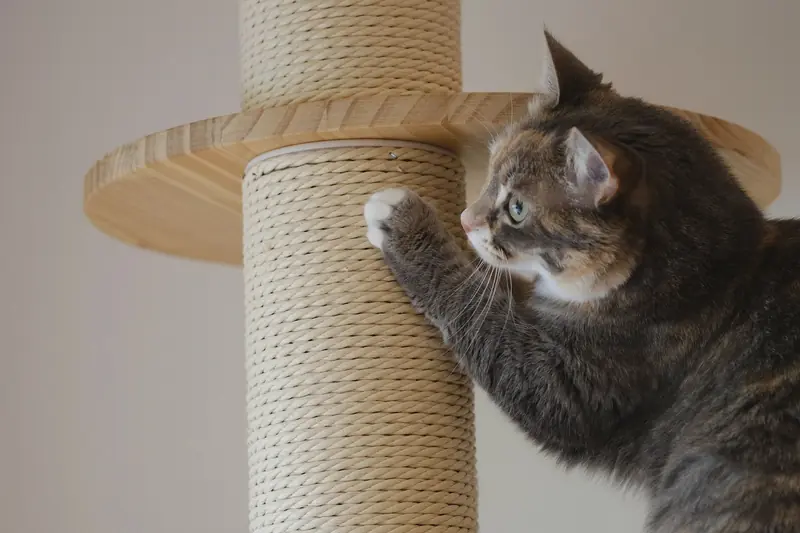
Best Cat Scratching Posts and Scratchers
A scratcher gives your cat a place to do what cats naturally do, and it is the first step to saving the sofa. The decisions that matter are height, direction and material. This page is for owners dealing with scratched furniture or adding a first scratcher for a kitten.
Jump to section
What we look for
Sturdiness
a scratcher that wobbles or tips gets abandoned.
Height for a full stretch
a tall post lets a cat stretch out, which is part of why it scratches.
Material
sisal, cardboard, wood and rough fabric suit different cats, so your cat decides.
Vertical or horizontal
scratchers can be vertical, horizontal or angled, and cats differ in what they choose.
Base weight
a heavy base keeps a tall post upright.
Replaceable surface
sisal and cardboard wear out, so replaceable parts extend the life of the scratcher.
- Sources: manufacturer product pages and manuals, warranty terms, and the Feline Veterinary Medical Association guidance and the AAFP position statement for how and why cats scratch.
How to choose the right scratching post
Cats scratch for good reasons, so the best scratcher is one that fits the way your cat scratches. Our guide on why cats scratch explains the reasons and the placement, and a cat tree can combine scratching, climbing and rest.
Scratching is normal feline behavior, both inherited and learned, and AAFP lists scratching posts or pads among the alternatives to declawing (AAFP 2017). The Feline Veterinary Medical Association says cats scratch to keep their claws in shape, to stretch, to remove the worn outer claw layer and to leave scent marks, and that stress and anxiety can increase scratching (FelineVMA). A scratcher is therefore a need to meet, not a habit to punish.
Use the table to match the scratcher to your cat. The FelineVMA suggests trying sisal rope, rough fabric, cardboard and wood to learn what your cat prefers, and says scratchers can be vertical or horizontal. Compare the Height and Orientation columns, and check the Weight and Base size columns so the post does not tip when your cat pulls on it. A replaceable surface keeps a good post in use after the first one wears out.
AAFP strongly opposes elective declawing, which amputates the last bone of each toe (AAFP 2017). If scratching is a problem, a scratcher placed well is the first step.
Sturdiness
Check the base size and weight in the spec table, and prefer a wide, heavy base for a vertical post. A scratcher that moves or tips is a problem. Follow the maker's assembly steps.
Height for a full stretch
The Feline Veterinary Medical Association says cats scratch in part to stretch (FelineVMA). Check the height column against the length of your cat when stretched.
Material
The Feline Veterinary Medical Association suggests trying sisal rope, rough fabric, cardboard and wood to learn what your cat prefers (FelineVMA). Check the surface material column and consider buying two different types to find out. Our guide on why cats scratch explains how to run that test.
Vertical or horizontal
The Feline Veterinary Medical Association says scratchers can be vertical or horizontal (FelineVMA). Watch how your cat scratches now. A cat that scratches the side of the sofa may want a vertical post; one that scratches the carpet may want a flat pad.
Base weight
Check the weight and base size together. A tall post on a light base can tip over. If the listing does not give a weight, treat that as a gap and ask the seller.
Replaceable surface
Look for scratchers with replaceable covers or refill pads. Cardboard scratchers are often built to be replaced, while a post with a swappable cover costs less over time. Check the maker's notes on how to replace the surface.
Tips for using your scratching post
- Put the scratcher near where your cat sleeps, since cats often scratch on waking, or beside the spot your cat scratches now (FelineVMA).
- Reward use with treats, and never punish; the Feline Veterinary Medical Association says punishment can raise anxiety and scratching (FelineVMA).
- Pair a post with a cat tree in rooms where your cat spends time.
- Try more than one material and orientation before you decide what your cat likes, since preferences vary.
- Temporary nail caps must be reapplied every 4 to 6 weeks (FelineVMA).
FAQ
Why do cats scratch?
To keep their claws in shape, stretch, shed the worn outer claw layer and leave scent marks, and stress can increase it (FelineVMA).
Where should the scratching post go?
Near where the cat sleeps, since cats often scratch on waking, or next to the spot they are scratching now (FelineVMA).
What material do cats prefer?
It varies. The Feline Veterinary Medical Association suggests trying sisal, rough fabric, cardboard and wood (FelineVMA).
Related
-
-
-

Buying guide
Best Interactive Cat Toys and Puzzle Feeders
Wand, electronic and puzzle toys compared on motion, parts and upkeep.
-
Guide
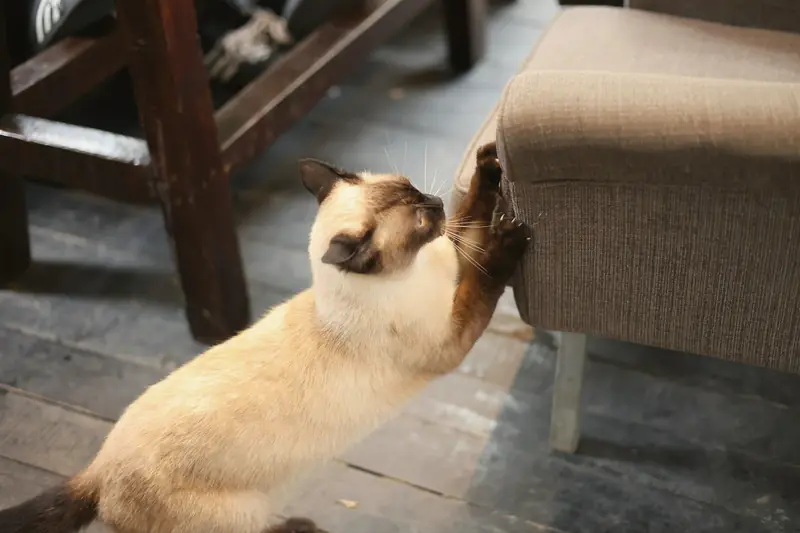
Why Cats Scratch, and How to Save Your Sofa
Four reasons cats scratch, scratcher choice and placement, and why vets oppose declawing.
-
Guide
Indoor Cat Enrichment: The Five Pillars, Explained
The AAFP/ISFM five pillars turned into a home checklist.
Get the Cat-Ready Home Checklist
A printable checklist built on AAFP, ASPCA, Cornell and FDA guidance, from how many litter boxes you need to which flowers to keep out. Free, and sized for the fridge door.